



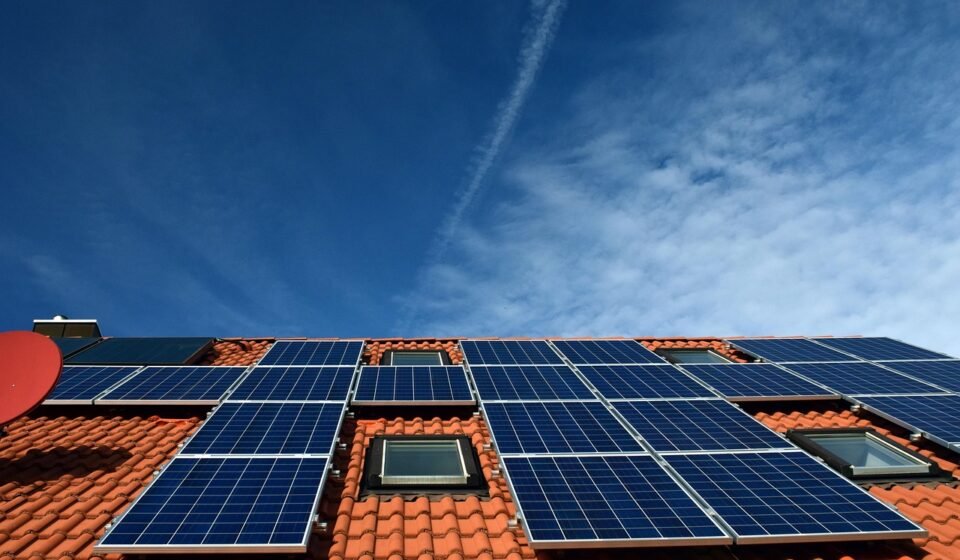

photovoltaic cladding is becoming an important topic in modern construction because it combines energy generation with architectural functionality. Rather than treating solar technology as an add-on, designers increasingly incorporate it directly into the building envelope. This approach improves aesthetics, supports energy goals, and helps create more efficient structures.
## Understanding the Concept
### What It Means
The term photovoltaic cladding refers to construction elements that perform both a building function and an energy-generating function. Roofs, façades, skylights, and exterior surfaces can contribute to electricity production while maintaining their structural role.
### Why It Matters
As energy demands continue to rise, integrating renewable technologies into construction offers practical advantages. The use of photovoltaic cladding can reduce reliance on conventional energy sources while supporting long-term sustainability goals.
## Key Benefits
### Improved Energy Performance
One of the primary advantages of photovoltaic cladding is the ability to generate electricity where it is consumed. This can improve overall building efficiency and support energy-conscious design strategies.
### Architectural Integration
Unlike traditional systems that are mounted after construction, photovoltaic cladding is designed as part of the structure. This creates a cleaner appearance and greater design flexibility.
### Long-Term Value
Buildings that incorporate photovoltaic cladding often benefit from enhanced functionality, modern aesthetics, and future-focused design principles.
## Applications
### Commercial Buildings
Large façades and roof areas make commercial properties suitable for photovoltaic cladding. Architects can use these surfaces to maximize energy generation while maintaining visual appeal.
### Residential Projects
Homeowners are increasingly interested in solutions that blend performance and appearance. In residential settings, photovoltaic cladding can contribute to both goals.
### Public and Institutional Structures
Schools, civic buildings, and community facilities can use photovoltaic cladding to demonstrate environmental responsibility while supporting operational efficiency.
## Design Considerations
Successful implementation requires careful planning. Designers must evaluate orientation, shading, climate conditions, and overall building objectives. Material selection also plays a significant role in achieving optimal results with photovoltaic cladding.
### Balancing Form and Function
A successful project balances aesthetics with energy performance. Thoughtful integration ensures that photovoltaic cladding enhances the building rather than appearing as a separate addition.
## Future Outlook
Interest in photovoltaic cladding continues to grow as construction trends increasingly emphasize sustainability, resilience, and efficiency. Advancements in materials and design methods are expanding possibilities for integration across different building types.
## Conclusion
photovoltaic cladding represents a practical way to combine architecture and renewable energy within a single solution. By integrating energy-generating components into the building envelope, projects can improve performance, support sustainability goals, and create visually appealing structures. As innovation continues, photovoltaic cladding is expected to play an even greater role in the future of construction.