



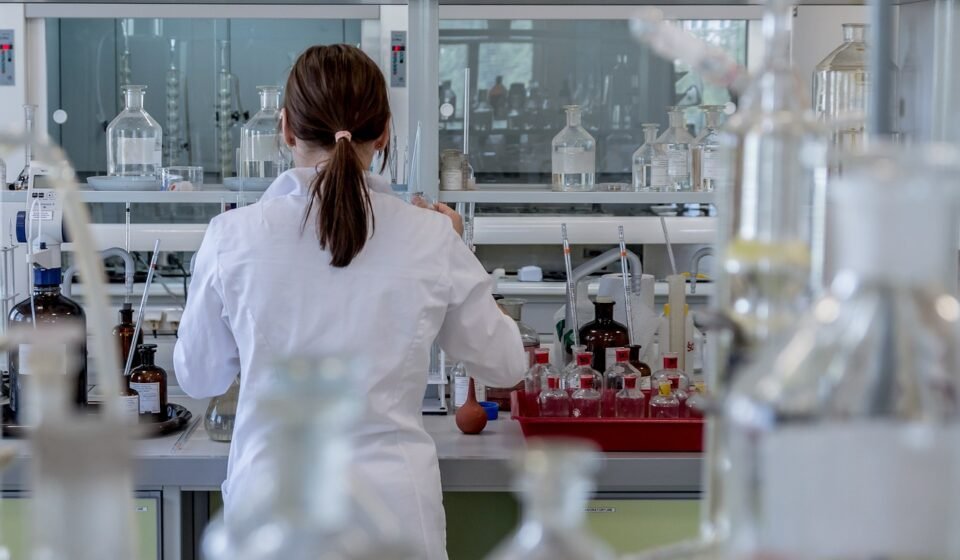

Laboratory equipment is the backbone of scientific research, testing, education, and quality assurance. Every successful laboratory depends on reliable tools that deliver accurate measurements, support safe procedures, and improve operational efficiency. Whether performing routine experiments or advanced analysis, choosing the right laboratory equipment is crucial for obtaining dependable results.
Modern laboratories require equipment that combines precision, durability, and ease of use. Well-maintained instruments not only improve productivity but also minimize errors and ensure consistent outcomes. As scientific practices continue to advance, the demand for high-quality laboratory equipment continues to grow across multiple industries.
This guide explores the importance of laboratory equipment, its major categories, selection criteria, maintenance practices, and future trends shaping laboratory operations.
Why Laboratory Equipment Matters
Every laboratory relies on laboratory equipment to perform critical tasks with confidence. From preparing samples to analyzing results, every stage of an experiment depends on dependable instruments that operate accurately.
Reliable laboratory equipment also helps laboratories maintain efficiency. When instruments function consistently, professionals spend less time correcting mistakes and more time focusing on research, innovation, and analysis.
Improving Experimental Accuracy
Accurate measurements are essential for producing trustworthy results. Quality laboratory equipment ensures experiments can be repeated with consistent outcomes, making research more reliable and easier to validate.
Enhancing Workplace Safety
Safety remains a priority in every laboratory. Proper laboratory equipment helps reduce exposure to hazardous substances while providing secure handling of chemicals, biological materials, and sensitive samples.
Categories of Laboratory Equipment
Laboratories perform a wide variety of tasks, requiring different types of laboratory equipment for specific applications.
Measuring Instruments
Measurement tools are among the most frequently used laboratory equipment. Instruments such as balances, graduated cylinders, burettes, pipettes, and volumetric flasks help achieve precise measurements required for successful experiments.
Sample Preparation Equipment
Preparing samples correctly is an essential step before analysis. Mixers, grinders, centrifuges, and filtration devices help researchers obtain consistent and contamination-free samples.
Heating and Temperature Control Equipment
Many laboratory procedures require controlled temperatures. Water baths, laboratory ovens, incubators, and heating plates allow users to maintain stable environmental conditions throughout experiments.
Analytical Equipment
Analytical laboratory equipment enables professionals to examine physical and chemical properties with precision. These instruments generate valuable data for research, testing, and quality control.
Storage Solutions
Proper storage preserves chemicals, biological samples, and laboratory materials. Refrigeration units, storage cabinets, and specialized containers help maintain sample integrity while supporting laboratory organization.
Factors to Consider When Selecting Laboratory Equipment
Choosing the right laboratory equipment requires careful evaluation of operational needs and long-term performance.
Precision and Performance
Different laboratory applications demand varying levels of accuracy. Selecting laboratory equipment that meets required precision standards helps ensure dependable results.
Build Quality
Durable equipment withstands daily use without compromising performance. Investing in well-constructed laboratory equipment reduces repair costs and extends operational life.
Ease of Maintenance
Equipment that is easy to clean, inspect, and maintain contributes to uninterrupted laboratory operations. Routine servicing also helps preserve measurement accuracy.
User-Friendly Design
Simple controls and ergonomic features make laboratory equipment easier to operate. User-friendly instruments reduce training time and improve workplace efficiency.
Best Practices for Maintaining Laboratory Equipment
Proper maintenance is essential for preserving the performance of laboratory equipment.
Clean Equipment After Every Use
Cleaning prevents residue buildup that could affect future experiments. Maintaining clean instruments also extends equipment lifespan.
Schedule Regular Calibration
Calibration ensures laboratory equipment continues to deliver accurate measurements over time. Periodic verification improves confidence in experimental results.
Conduct Routine Inspections
Frequent inspections help identify worn components before they affect performance. Early maintenance reduces downtime and unexpected failures.
Store Equipment Properly
Organized storage protects sensitive instruments from dust, moisture, and accidental damage. Proper storage also makes equipment easier to locate when needed.
Advantages of Quality Laboratory Equipment
Investing in dependable laboratory equipment offers numerous long-term benefits.
Increased Productivity
Efficient equipment allows laboratory professionals to complete tasks faster while maintaining high standards of accuracy.
Reliable Results
Consistent performance improves confidence in research findings, quality testing, and educational experiments.
Enhanced Safety
Modern laboratory equipment incorporates safety-focused designs that reduce operational risks and support responsible laboratory practices.
Lower Long-Term Costs
Durable instruments require fewer repairs and replacements, making them more cost-effective throughout their operational lifespan.
Emerging Trends in Laboratory Equipment
Technology continues to transform laboratory equipment with automation, digital monitoring, and smart data management. Laboratories increasingly use connected instruments that simplify data collection and improve workflow efficiency.
Another growing trend is sustainability. Energy-efficient equipment and environmentally responsible manufacturing practices help laboratories reduce resource consumption while maintaining excellent performance.
Artificial intelligence and automation are also influencing laboratory operations by improving precision, minimizing manual intervention, and supporting faster decision-making.
Conclusion
Laboratory equipment is essential for achieving accurate, efficient, and safe laboratory operations. From measurement and sample preparation to analysis and storage, every piece of equipment contributes to reliable scientific outcomes. By selecting durable instruments, following proper maintenance practices, and embracing technological advancements, laboratories can improve productivity while maintaining the highest standards of quality. As science continues to evolve, dependable laboratory equipment will remain a key factor in supporting innovation, research, and consistent experimental success.